Construction Site Security: Fire Victims Now Guard Their Own Lots
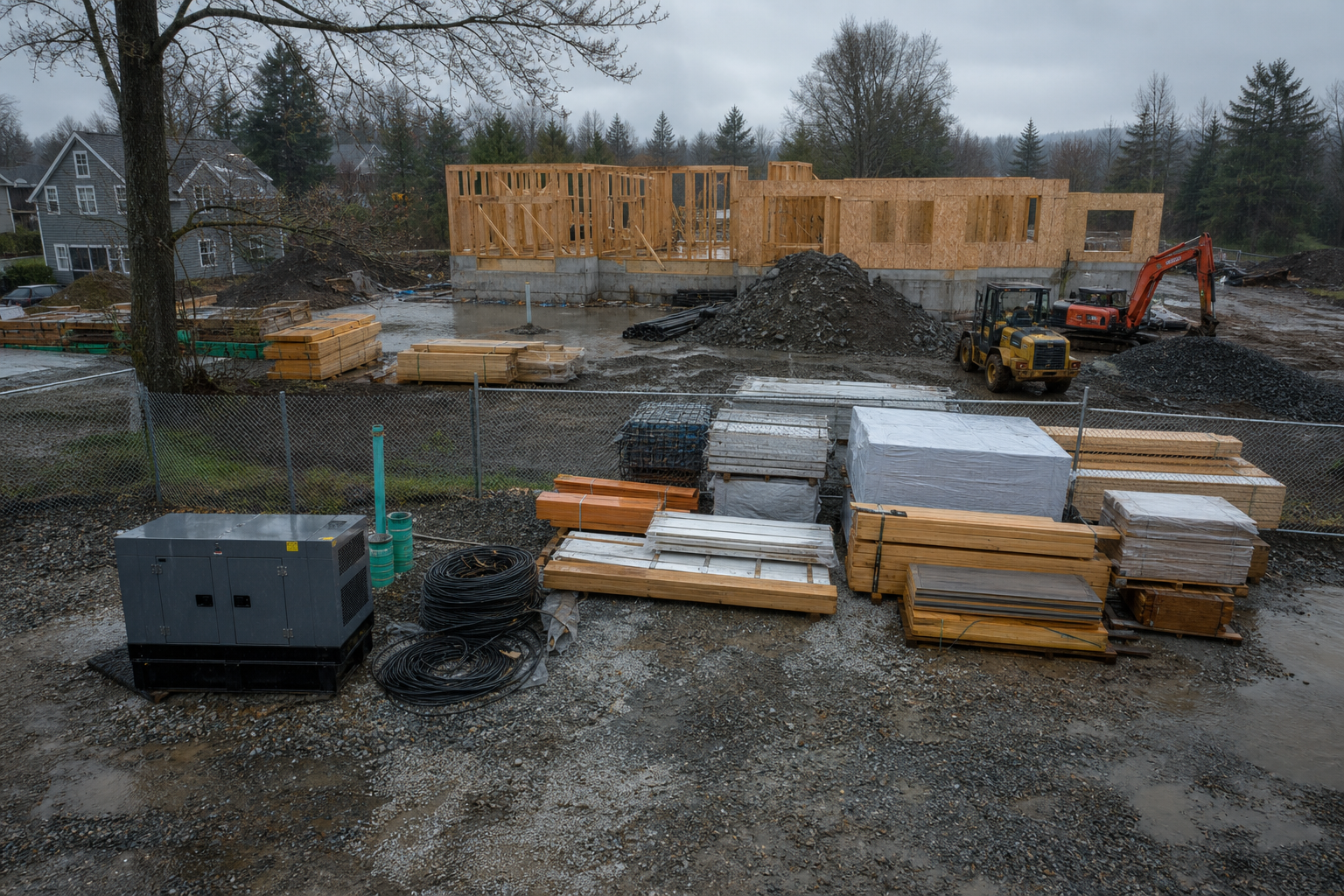
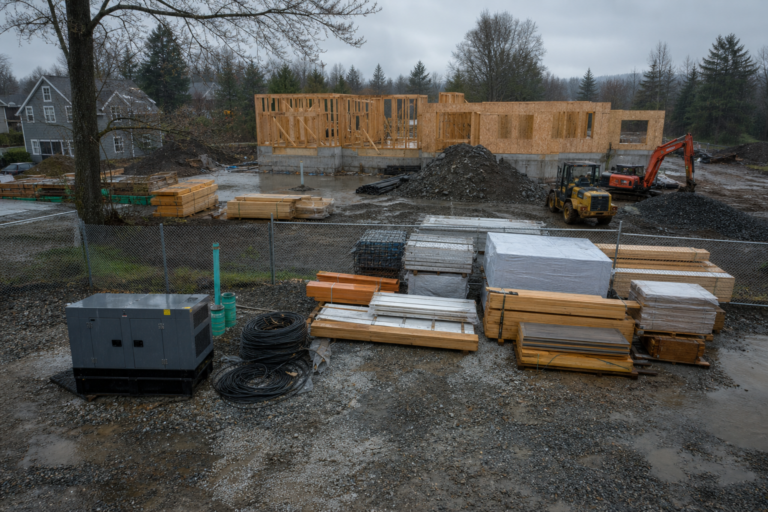
People who lost their homes in the Palisades are now sitting outside at night guarding stacks of lumber and copper. Their own copper. The stuff meant to rebuild the house that burned down. They bought the cameras themselves, hired the patrols themselves, organized the watch groups themselves, because thieves keep hitting active rebuild sites and nobody else was going to stop it.
Westside Current covered it as a neighborhood story, and it is. But if you run operations, you already know the pattern. A property is worth the most and watched the least at the exact same moment. That is the whole game.
The Bottom Line
- A rebuild or a vacant stretch is when a site holds its highest value in materials and gets the least oversight.
- Cameras nobody watches and patrols nobody coordinates record the theft. They do not stop it.
- Trained mobile patrol and on site guards backed by live dispatch put an actual response behind every alarm.
Why do construction sites get hit during a rebuild?
A rebuild site is a warehouse with no walls. Fresh copper, spools of wire, generators, tools, HVAC units, pallets of lumber, all of it sitting in the open, all of it easy to sell. During the day the place is loud and full of trucks. At night it goes dark and empty. A thief who watches the lot for a week learns exactly when the last truck pulls out and when the first one comes back. That is all the planning a job like this takes.
Now stop thinking about one lot and look at your own list. A distribution center under expansion. A retail space between tenants. A commercial building gutted to the studs while the interior gets rebuilt. Same open inventory. Same quiet hours. The Palisades story is residential, but the exposure on your projects is identical.
The night nobody is watching
Two in the morning. A truck backs up to your staging area. Two people load copper and a generator and drive off inside 20 minutes. No alarm, because the site is open. No guard, because you priced out a few cameras and called it covered. The cameras got everything in sharp detail. Your super will watch the whole thing at 7am when he finds the gate cut and the generator gone.
Here is where the math turns on you. The generator runs a few thousand dollars. The day you lose does not. The crew shows up, has no power, and stands around. The inspection slips. The concrete pour gets pushed. Every finish trade behind that pour backs up too. A theft that reads as a five figure loss on paper becomes a schedule problem that costs a multiple of the hardware. Owners who buy cameras and stop there never account for that second number.
Cameras are evidence. You collect evidence after you have already lost the thing. The Palisades residents figured that out fast, which is why they stopped recording the theft and started sitting in front of the pile.
The same night, done right
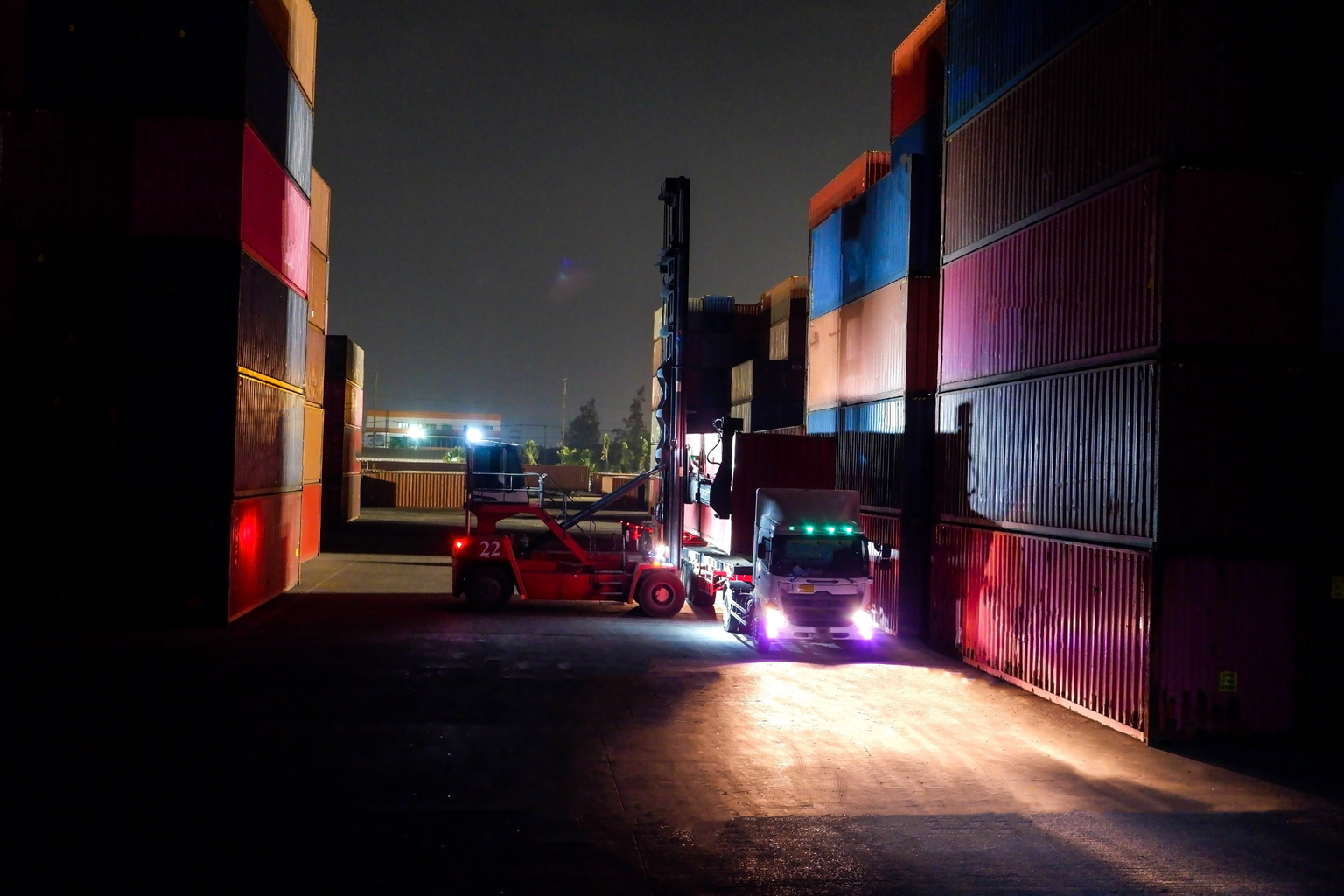
Run 2am again with real coverage. A marked mobile patrol vehicle sweeps the site on a schedule nobody can predict. Headlights across the staging area. A thief casing the lot sees the vehicle and decides your site is not worth the risk. Most nights nothing happens. That is the point. Deterrence is the cheapest security you will ever pay for.
When something does happen, an on site officer is already there or a patrol unit is minutes out, and the second they spot movement our dispatchers move. We do not hand you a call center or an answering service. Our own dispatchers work live around the clock, and the moment an incident hits we call you. Not in the morning. Not buried in a shift log you read next week. You hear about it while there is still time to do something.
For projects that need eyes overnight and through the weekend, that means real 24 hour coverage, not a floodlight and hope. For high value staging areas, armed presence is available. And when a lot goes dark faster than you planned, our emergency and same day coverage gets someone standing on it before the exposure sits open for a week.
Why improvised security keeps failing
The Palisades residents are doing the right thing by refusing to sit still. Effort is not their problem. Coordination is. A camera with nobody watching it is a recording. A neighbor on a folding chair is brave and worn out by the third night. A patrol that rolls through at the same time every night is a schedule a thief can memorize.
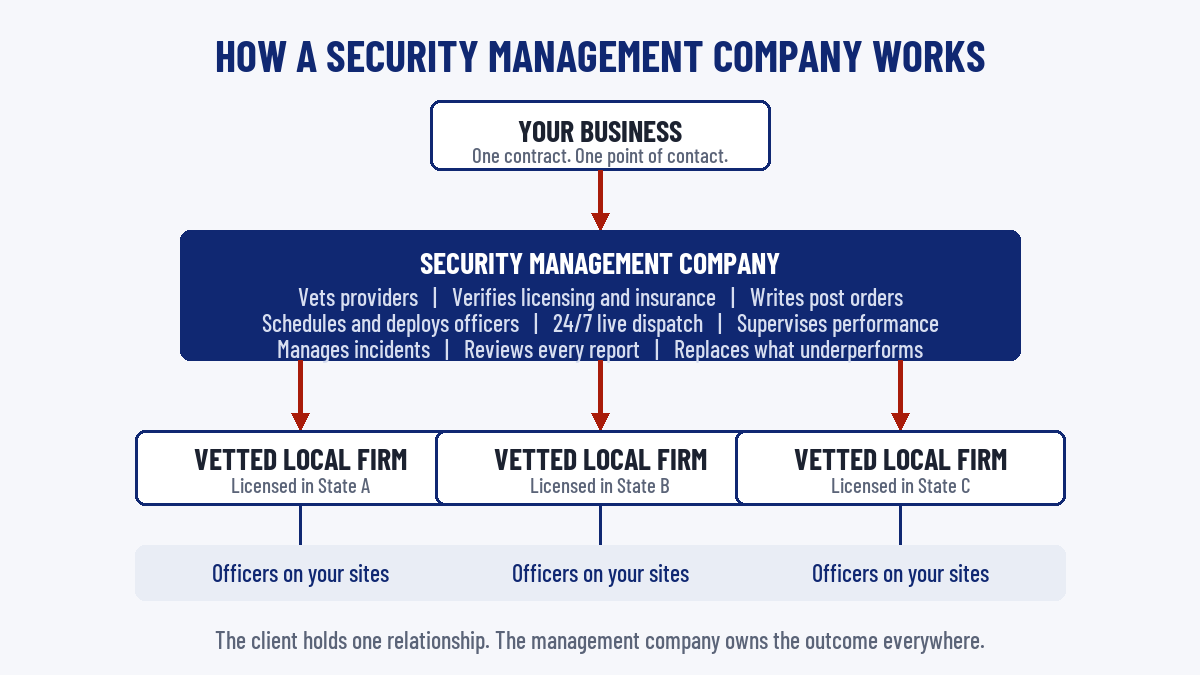
Real coverage is more than warm bodies on a lot. It is vetted licensed officers. Coverage built around your actual risk hours. Patrol patterns that stay unpredictable. One person you can hold accountable when something goes wrong. We handle all of that for you, across every site you run, in all 50 states, under one relationship instead of a new local vendor at every project. You can see how it works in different settings on our construction site security and security guard services pages.
Check your own sites today
Pick one project. Walk it, or pull it up on a map, and answer three questions honestly. What is sitting out in the open right now with resale value, and who watches it between the last truck out and the first truck in? If someone hit it at 3am tonight, when would you personally hear about it, and from whom? And if a rebuild or a tenant turnover leaves a property empty next week, can you get coverage on it in a day, or would you be improvising with lawn chairs like those homeowners?
If any of those made you pause, that pause is your gap. It is the same gap the Palisades residents are filling with doorbell cameras because nobody closed it for them.
You do not have to run your sites that way. Tell us where your exposure sits and we will show you what coverage across your locations actually looks like. Get a same day quote or call our dispatch line at 888-980-9118. A person answers, and when something happens on your property, we call you first.