A 50 Percent Jump in Jobsite Break Ins Should Change How You Cover Your Sites
Break ins on active job sites jumped 50 percent year over year. That is the number in the new 2026 State of Construction Site Security report from TrueLook and Noonlight. Not a slow drift. A jump.
Same news cycle, a data center project in Loudoun County lost copper to thieves. Different site, same story. People who steal for a living have worked out that an active build is the softest target on the map, and they are working it hard.
If you run job sites, you already feel this. The only real question is whether your coverage was built for the world you are in now or the one from three years ago.
Why your site is the easiest money in town
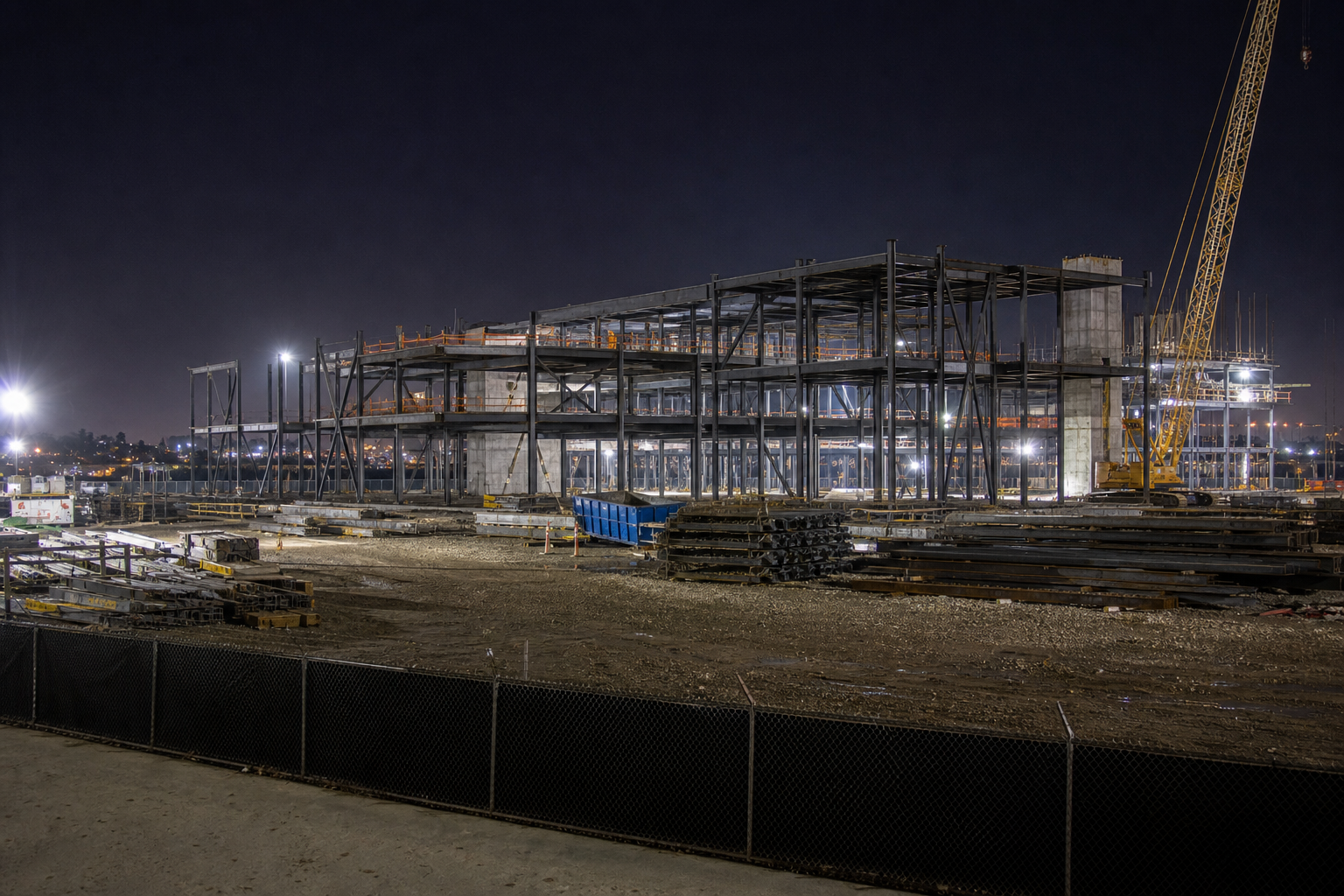
Picture your busiest build. Framing is up, mechanical is going in, and the site is loaded with copper wire, spools of cable, fresh conduit, a generator, a compressor, and 40 grand in tools that walk on their own if nobody is watching.
Now picture it at 1am on a Sunday. The crew left Friday. Nobody comes back until Monday at 6am. That is roughly 60 hours where your whole investment sits behind a chain link fence and a padlock that a decent pair of bolt cutters ends in four seconds.
Thieves are not guessing. They watch. They know when the last truck leaves. They know copper prices are high and stripped wire is close to impossible to trace. And they know something that costs you more than the copper does.
The loss that never shows up in the police report
The stolen copper is the small number. Here is the part most operators miss.
The real damage is the four days your electrical crew stands around because the wire they were about to pull is gone and the reorder runs a three week lead time. It is the liquidated damages clause when you blow the completion date. It is the sub you now cannot get back because he booked the next job. Add the insurance deductible, the premium bump at renewal, and the client asking hard questions about whether you can run a site.
A 5,000 dollar copper theft becomes a six figure schedule problem. That is the math that matters. It also never makes the news.
So answer two questions. Who is on your highest value site right now, this minute? And if a fence gets cut tonight, how do you find out, and when?
What real coverage does on a live site
There is a version of the weekend where nobody is watching and a version where someone is. They do not look alike.
In the first, a foreman finds the cut fence Monday at 6am and spends his morning on the phone with you instead of running the pour. Nobody knows when it happened. Nobody knows if they are coming back. You are chasing a hole that is already 60 hours old.
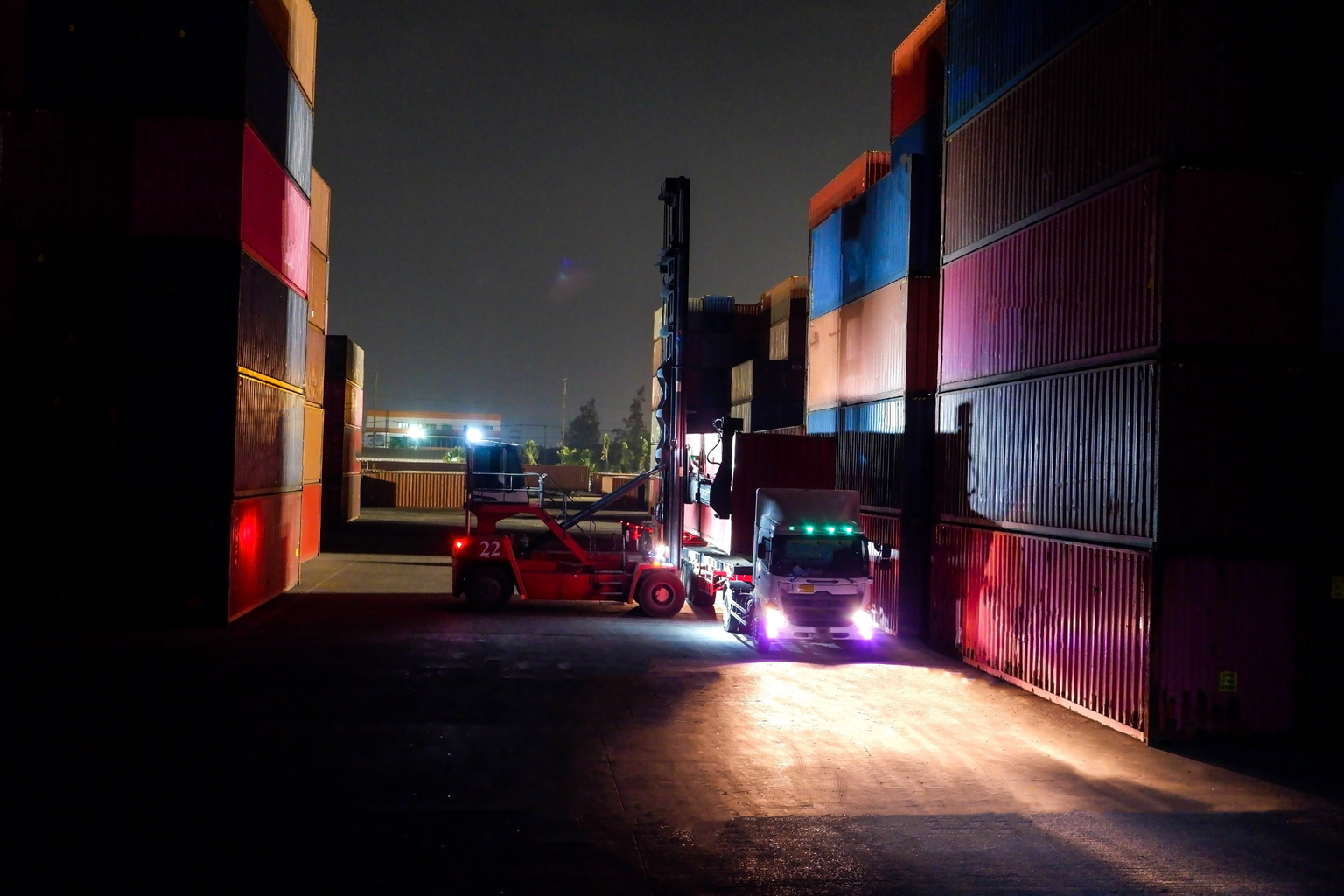
In the second, a mobile patrol runs the perimeter on an irregular schedule through the night. Headlights hit the fence line. A vehicle idling at the gate at 1am with no reason to be there gets seen, logged, and lit up. Most thieves clear out the second they realize the site is not empty. That is deterrence, and it is meant to be boring.
On higher risk sites, meaning data center builds and anywhere with serious copper and equipment exposure, an armed guard posted on site changes the whole calculation. Your site goes from a target to a place they skip.
Coverage built for the site you actually have
Not every site needs a guard at the gate 24 hours a day. That is expensive and usually overkill. Coverage should be designed, not dumped on you.
- Mobile patrol with logged, irregular checks so nobody can predict the pattern
- Armed guards on high value or high exposure builds
- Fire watch when hot work or a system outage calls for it
- Same day and emergency coverage when a threat shows up faster than a plan can
Match the response to the risk on that specific site, on that specific timeline, as the build changes phase.
Where most security fails you
Nobody prints this part in a brochure. The failure is rarely the guard. It is the phone.
Something happens at 2am. The guard needs a decision, or you need to know now. What answers? At a lot of companies it is a call center two time zones away or an answering service that takes a message and promises a follow up in the morning. By morning your problem has doubled.
We run it differently. Our dispatchers are live and in house, 24 hours a day, 7 days a week. Not a call center. Not an answering service. When something happens on your site, we call you the moment it happens. No sitting on it until the next report. You hear it from us first, while you can still do something about it. That is also why we can move fast on same day and emergency coverage. A real person picks up and starts solving it.
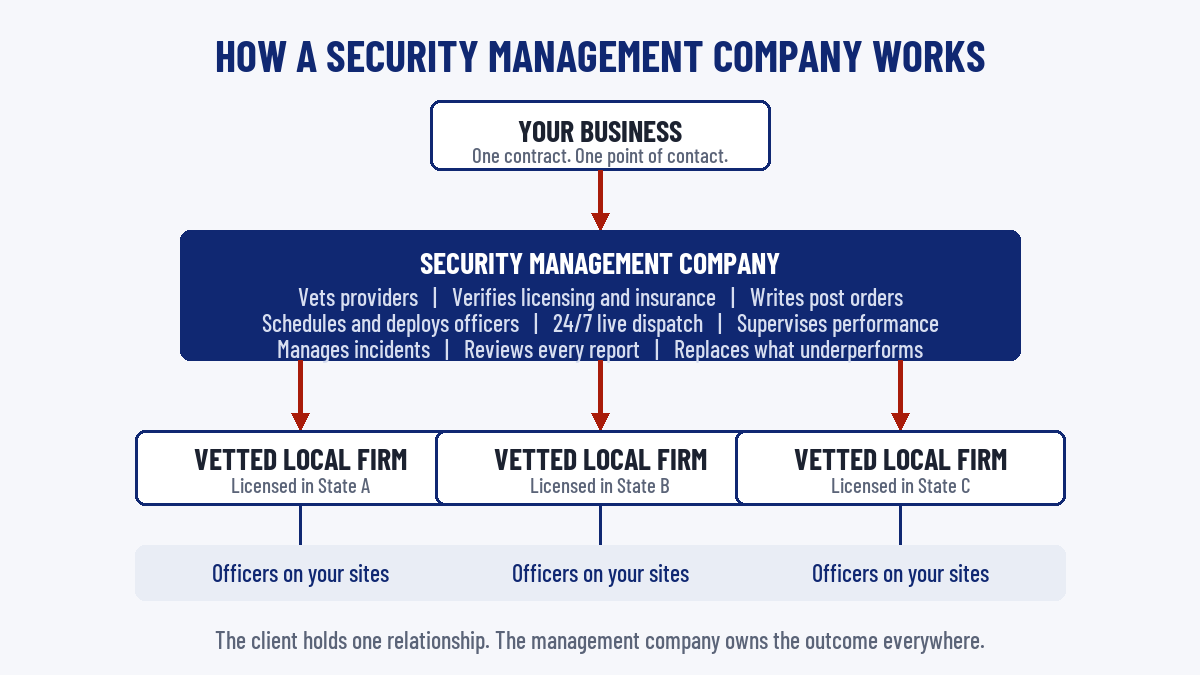
One more thing, plainly. We are a security guard management company. We vet licensed subcontractors and deploy them across all 50 states, we coordinate and manage the coverage, and we guarantee the performance. You get one accountable contact instead of a different vendor in every market you build in. When you run sites in 12 states, that is the whole game.
Run this test on your own sites this week
You do not need us for this. Walk one active site in your head.
- What is the longest stretch, in hours, the site sits empty over a weekend?
- What is the total dollar value of copper, tools, and equipment sitting there during that stretch?
- If someone cut the fence tonight, who gets called, in what order, and how long until you personally know?
If any of those made you pause, that is the gap the 50 percent number is walking through.
Call before the fence gets cut
The thieves already read the report. They know the trend line runs in their favor. The one thing that changes their math is a site covered by people who watch it and who pick up the phone when it counts.
Want to pressure test your coverage on one site or a hundred? Call us at 888-980-9118. We will tell you straight what your real exposure looks like and how to close it.